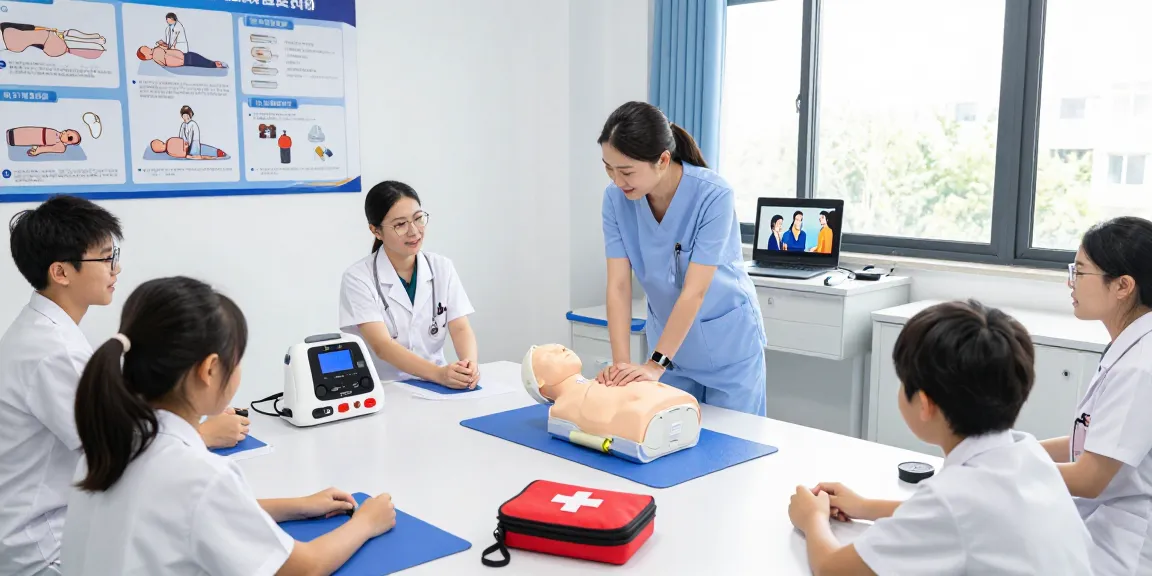
Understanding the Importance of Little Anne QCPR in Healthcare Training
In the ever-evolving field of healthcare, the significance of effective training cannot be overstated. The integration of tools like the Little Anne QCPR into CPR training programs represents a significant advancement in preparing healthcare professionals for real-life emergencies. This manikin is designed not only to teach the essential techniques of cardiopulmonary resuscitation (CPR) but also to provide feedback on performance through digital tools, enhancing the overall learning experience. When exploring options, little anne qcpr offers comprehensive insights into how this innovative training tool can revolutionize CPR instruction.
What is Little Anne QCPR?
Little Anne QCPR is a state-of-the-art CPR training manikin that allows trainees to practice life-saving techniques in a controlled environment. Unlike traditional manikins, Little Anne QCPR includes integrated technology that provides real-time feedback on the quality of chest compressions and rescue breaths. This feedback helps trainees understand their performance, facilitating improvement and increased confidence when performing CPR in real-life situations.
Significance of CPR Training in Medical Fields
CPR training is crucial across various medical fields. It equips healthcare professionals, first responders, and even laypersons with the skills necessary to act swiftly in emergencies. Cardiac arrest can happen to anyone, anywhere, and immediate CPR can significantly increase the chance of survival. As a result, regular training is not only a professional requirement for healthcare workers but also an essential life skill for the general public.
Benefits of Using Manikins in CPR Education
The use of manikins like Little Anne QCPR in CPR education comes with numerous benefits:
- Realistic Practice: Manikins closely simulate the human body, providing a realistic experience for learners.
- Immediate Feedback: Advanced models offer instant performance feedback, which is vital for mastering CPR techniques.
- Enhanced Retention: Hands-on practice with manikins aids in better retention of skills compared to theoretical learning.
- Safe Learning Environment: Students can make mistakes and learn from them without the risk of harming a real person.
How to Choose the Right Little Anne QCPR Training Program
Selecting the right training program can significantly impact the effectiveness of CPR training. Numerous factors should be considered to ensure that the program aligns with the learners' needs and the institution's goals.
Factors to Consider When Selecting a Program
When choosing a Little Anne QCPR training program, consider the following:
- Instructor Expertise: Look for programs led by experienced instructors who have a strong background in emergency care.
- Curriculum Quality: Ensure that the program covers all critical aspects of CPR, including adult, child, and infant resuscitation.
- Equipment Availability: Check if the program provides access to modern training tools, particularly the Little Anne QCPR manikin.
- Hands-On Practice: A good program should include plenty of opportunities for hands-on practice and skills assessments.
Accreditation and Certification of Training Facilities
It is essential to choose accredited training facilities. Accreditation ensures that the program meets specific educational standards and is recognized by healthcare organizations. Many institutions offer certification upon completion, which can enhance a professional's credentials and employability in the healthcare sector.
Comparing In-Person vs. Online Training Options
With the rise of digital learning, prospective trainees have the option to choose between in-person and online CPR training. Each format has its advantages:
- In-Person Training: Provides direct interaction with instructors and peer collaboration, vital for practicing hands-on skills.
- Online Training: Offers flexibility and convenience, allowing learners to complete the coursework at their own pace. However, it is important to ensure that hands-on practice is included.
Best Practices for Implementing Little Anne QCPR Training
Integrating Little Anne QCPR training into healthcare curriculums requires careful planning and execution to maximize its effectiveness.
Integrating QCPR Training in Healthcare Curriculums
Healthcare institutions should incorporate QCPR training as a core part of their education programs. Regular simulations and assessments should be scheduled to ensure that skills are maintained and updated in response to evolving guidelines and techniques.
Maximizing Engagement During Training Sessions
Engaging trainees during CPR training sessions can be achieved through interactive activities such as group discussions, role-playing scenarios, and using technology to demonstrate the effects of proper CPR techniques. Incorporating gamification elements can also make training sessions more enjoyable and memorable.
Utilizing Technology to Enhance Learning Outcomes
Incorporating technology in QCPR training can enhance learning outcomes significantly. Tools like mobile apps that track performance metrics, video demonstrations, and virtual reality scenarios can provide diverse learning experiences and improve skill retention.
Case Studies: Successful Implementation of Little Anne QCPR
To illustrate the effectiveness of Little Anne QCPR training, examining real-world applications in hospitals and clinics can provide valuable insights.
Real-World Applications in Hospitals and Clinics
Many hospitals and clinics have successfully integrated Little Anne QCPR into their continuous education programs. For example, a teaching hospital reported a 30% increase in CPR success rates among medical staff after implementing regular training sessions using the manikin.
Feedback from Trainees and Instructors
Feedback from both trainees and instructors has highlighted the benefits of using Little Anne QCPR. Trainees often report feeling more confident in their CPR skills, while instructors appreciate the detailed feedback that the technology provides, which allows for targeted improvements.
Measuring Success and Improvement in CPR Skills
Success in training can be measured through pre-and post-training assessments, as well as the performance of staff during real-life emergency situations. Collecting data from these assessments can help healthcare organizations evaluate the effectiveness of their training programs.
Future Trends in Little Anne QCPR Training for 2026 and Beyond
As technology continues to advance, the future of Little Anne QCPR training looks promising. New innovations are expected to improve the training experience significantly.
Emerging Innovations in CPR Training Technology
Future enhancements may include more sophisticated feedback systems integrated within the manikins, artificial intelligence that can adapt training to individual performance levels, and virtual reality simulations that provide immersive training experiences.
Predicted Changes in Healthcare Training Standards
As the medical field evolves, so will the standards for CPR training. We can anticipate a greater emphasis on not just technical skills but also on the psychological aspects of emergency responses, including communication and teamwork during CPR scenarios.
Preparing for the Future: What to Expect
Healthcare providers will need to stay informed about the latest trends and technologies in CPR training. Continuous professional development will become increasingly important as new techniques and tools are introduced, ensuring that healthcare professionals remain skilled in the latest life-saving practices.
What are the advantages of using Little Anne QCPR?
The advantages of using Little Anne QCPR in training include its ability to provide immediate feedback, enhance skill retention through realistic practice, and offer a safe environment to learn and refine CPR techniques. This innovative approach addresses the needs of modern healthcare training.
How often should CPR training be refreshed?
CPR training should ideally be refreshed every two years, as guidelines and techniques continue to evolve. Additionally, regular practice helps ensure that skills remain sharp and that responders are prepared for emergencies.
What skills can be gained from Little Anne QCPR training?
Participants gain valuable skills such as effective chest compression techniques, recognition of cardiac arrest signs, and the ability to perform rescue breaths correctly. Moreover, the feedback provided through training strengthens critical thinking and decision-making skills in high-pressure situations.
Where can I find accredited training centers?
Accredited training centers can be located through professional organizations and healthcare institutions that offer CPR training. Many reputable organizations provide directories of certified facilities that utilize Little Anne QCPR in their programs.
How is the effectiveness of QCPR training measured?
Effectiveness can be measured through performance assessments, participant feedback, and improvements in CPR success rates during real-life applications. Utilizing technology during training helps gather data that informs these evaluations.